
NEW STUDY SUPPORTS SIMPLER AND MORE FLEXIBLE ANTI-DOPING TESTING
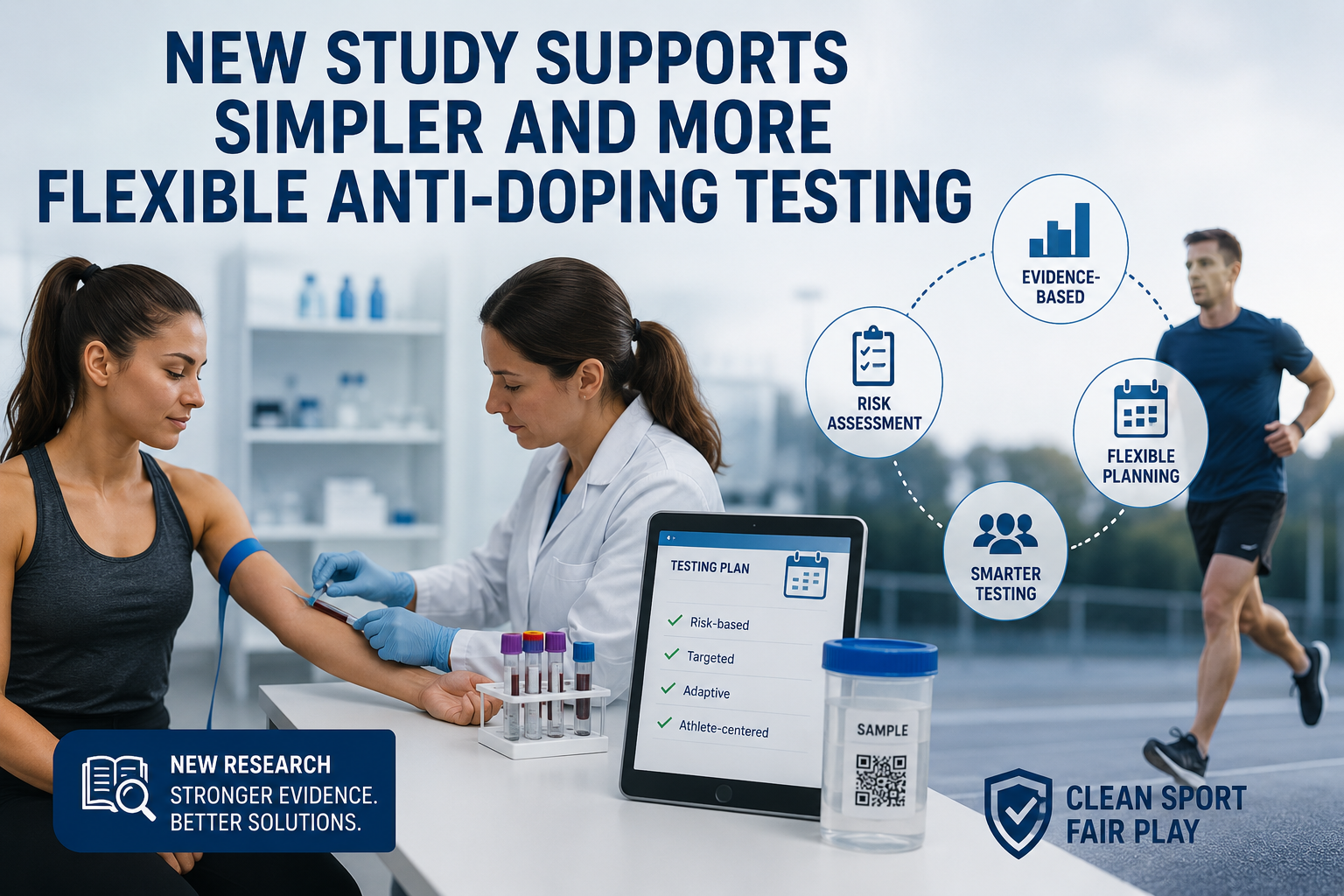
A new study, published on 8 July 2026, by the Swiss Laboratory for Doping Analyses (LAD), supported by Swiss Sport Integrity (SSI), shows that innovative blood testing methods could make anti-doping controls easier, more flexible, and more effective.
At the heart of this progress are RNA-based biomarkers – molecular signals in the blood that can reveal changes in how the body produces red blood cells. These markers, called ALAS2 and CA1, are highly sensitive and can help detect even small forms of blood doping, such as the use of microdoses of recombinant erythropoietin (rEPO).
The study shows that these biomarkers can be measured reliably using just a few drops of dried blood, regardless of the method used to collect the blood. The results were comparable between whole blood and dried blood spot (DBS) samples, demonstrating that accuracy is maintained even with simpler testing methods.
Overall, the research highlights how combining high-tech biomarkers with easy sampling methods could strengthen the fight against doping while making the process more practical and athlete friendly.
Through focused research, SSI aims to further expand the application area of DBS in the future and continuously develop the application possibilities of this probe matrix.
For further information about our professional services in sports doping cases in Switzerland, email either Dr Lucien Valloni or Kim Gamboni at valloni@valloni.ch and gamboni@valloni.ch respectively.